
Healing the Body to Support Emotional Recovery
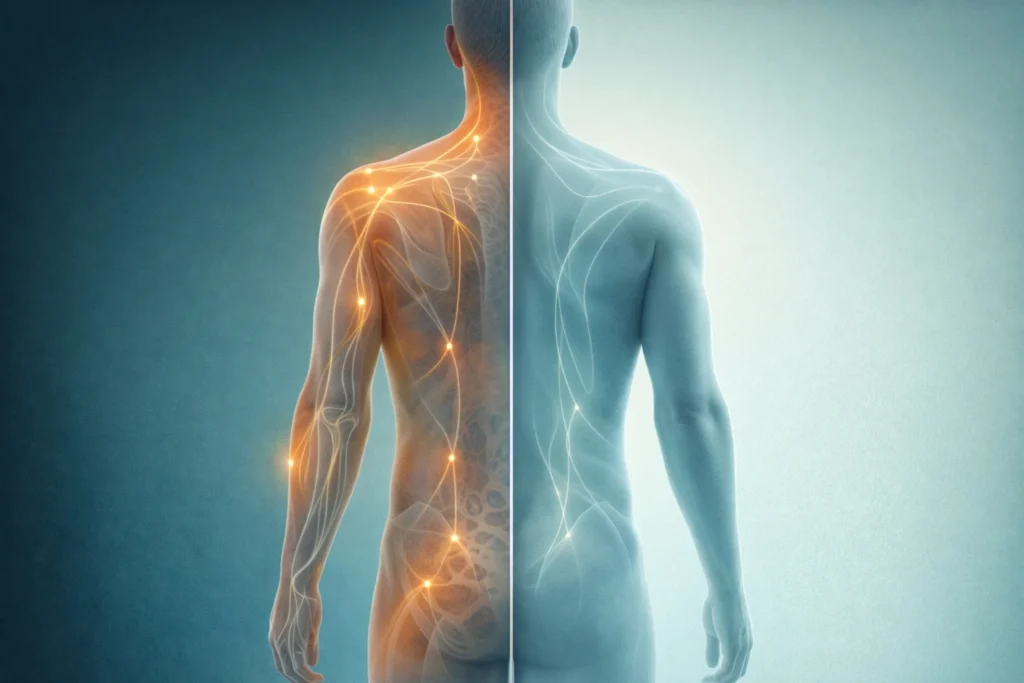
Post-Traumatic Stress Disorder (PTSD) and trauma don’t only affect the mind, they often live within the body. Chronic muscle tension, restricted movement, pain, and nervous system dysregulation are common physical responses to unresolved trauma. At Kinetics Therapeutics, we use myofascial release therapy as a gentle, body-centered approach to support recovery from PTSD and trauma.
By addressing physical restrictions and calming the nervous system, myofascial release therapy helps create a safer, more regulated internal environment for healing.
How Trauma Affects the Body?
Trauma can cause the body to remain in a constant state of fight, flight, or freeze. Over time, this leads to:
Chronic muscle tightness and guarding
Restricted fascia and connective tissue
Headaches, jaw pain, neck and back pain
Shallow breathing and postural collapse
Heightened nervous system sensitivity
Even long after the traumatic event has passed, the body may continue to hold protective tension patterns. This is where manual therapy can play an important supportive role.

What Is Myofascial Release Therapy?
Myofascial release therapy is a hands-on manual technique that targets restrictions within the fascia, the connective tissue that surrounds muscles, nerves, and organs.
Unlike forceful treatments, myofascial release uses slow, sustained pressure to:
Release stored tension
Improve tissue mobility
Restore natural movement patterns
Reduce pain and physical guarding
This gentle approach is especially important for individuals with trauma histories.
Why Myofascial Release Can Help with PTSD & Trauma
Myofascial release therapy supports trauma recovery by addressing both physical and nervous system responses.
Key Benefits Include:
Nervous System Regulation
Helps shift the body out of chronic stress mode and into a calmer state.Release of Stored Tension
Trauma often manifests as tightness in the neck, shoulders, jaw, hips, and diaphragm.Improved Body Awareness
Encourages safe reconnection with the body at the patient’s pace.Reduced Pain & Somatic Symptoms
Addresses headaches, chronic pain, TMJ discomfort, and muscular stiffness.Gentle, Consent-Based Care
Sessions are guided by patient comfort, boundaries, and communication.
A Trauma-Informed Approach to Manual Therapy
At Kinetics Therapeutics, trauma-informed care is central to our practice. This means:
Clear communication throughout each session
Patient control over pressure, positioning, and pacing
No forced techniques or aggressive manipulation
A calm, respectful, and supportive treatment environment
Our goal is to help patients feel safe, supported, and empowered during care.
What to Expect During a Session?
Each myofascial release session begins with a focused intake to understand your history, symptoms, and comfort level. Treatment may include:
Gentle hands-on work to restricted areas
Slow, sustained pressure rather than force
Periods of stillness to allow tissue release
Ongoing check-ins to ensure comfort and consent
Sessions are never rushed and are fully tailored to the individual.
Who May Benefit from This Therapy?
Myofascial release therapy may be beneficial for individuals experiencing:
PTSD or trauma-related symptoms
Chronic stress or anxiety with physical tension
Somatic pain without clear structural injury
Headaches, jaw pain, or neck stiffness
Difficulty relaxing or feeling “stuck” in the body
This therapy can be a supportive complement to mental health care, though it does not replace psychological or psychiatric treatment.
Supporting Long-Term Healing
True recovery from trauma is not about quick fixes. It’s about restoring balance, safety, and trust within the body over time. Myofascial release therapy offers a non-invasive, respectful pathway to help patients reconnect with their bodies and support their overall healing journey.
Schedule a Consultation
If you’re interested in learning whether myofascial release therapy is appropriate for PTSD or trauma-related symptoms, we invite you to schedule a consultation at Kinetics Therapeutics. Our care is always individualized, compassionate, and grounded in clinical expertise.